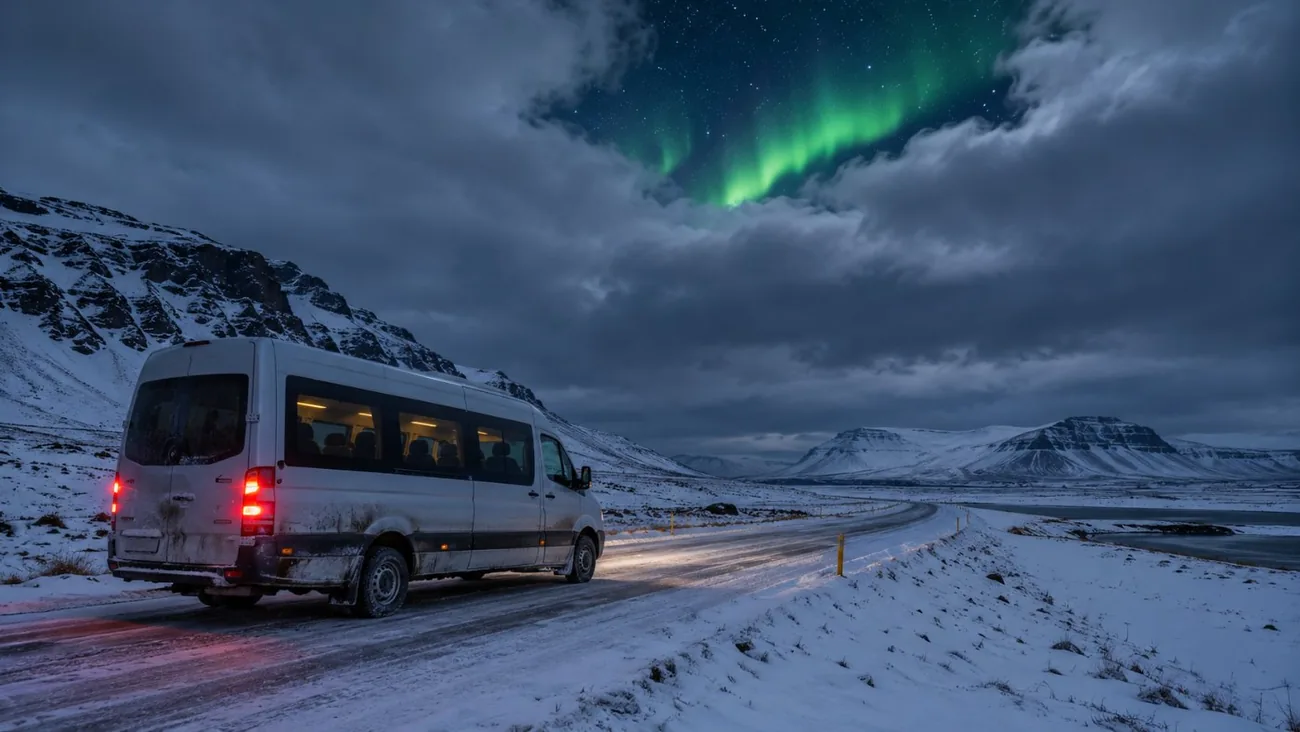
Booking choice: The 4x4 aurora tour, from $155 per person. Check dates Tour details
Ask ten Icelanders for the best month and you will hear about six answers. They are all partly right. Long dark nights favour December and January. Geomagnetic activity favours the months around the equinoxes, March and September. Cloud cover in the southwest tends to be heavier in early autumn. Prices are lowest in January, April and November.
This guide puts numbers on each of those: dark hours in Reykjavík month by month for the 2026-27 season, the full moons to avoid, the time of night to be outside, and how to plan your nights so a free retry is still usable.
The quick answer
The best months for the northern lights in Iceland are October to March. September and late March give milder weather and lively equinox activity; December and January give the most dark hours. Avoid the week around a full moon if you can: in 2026-27 the full moons fall on 24 November, 24 December, 22 January, 20 February and 22 March. Be outside between 22:00 and 02:00, and stay at least four or five nights.
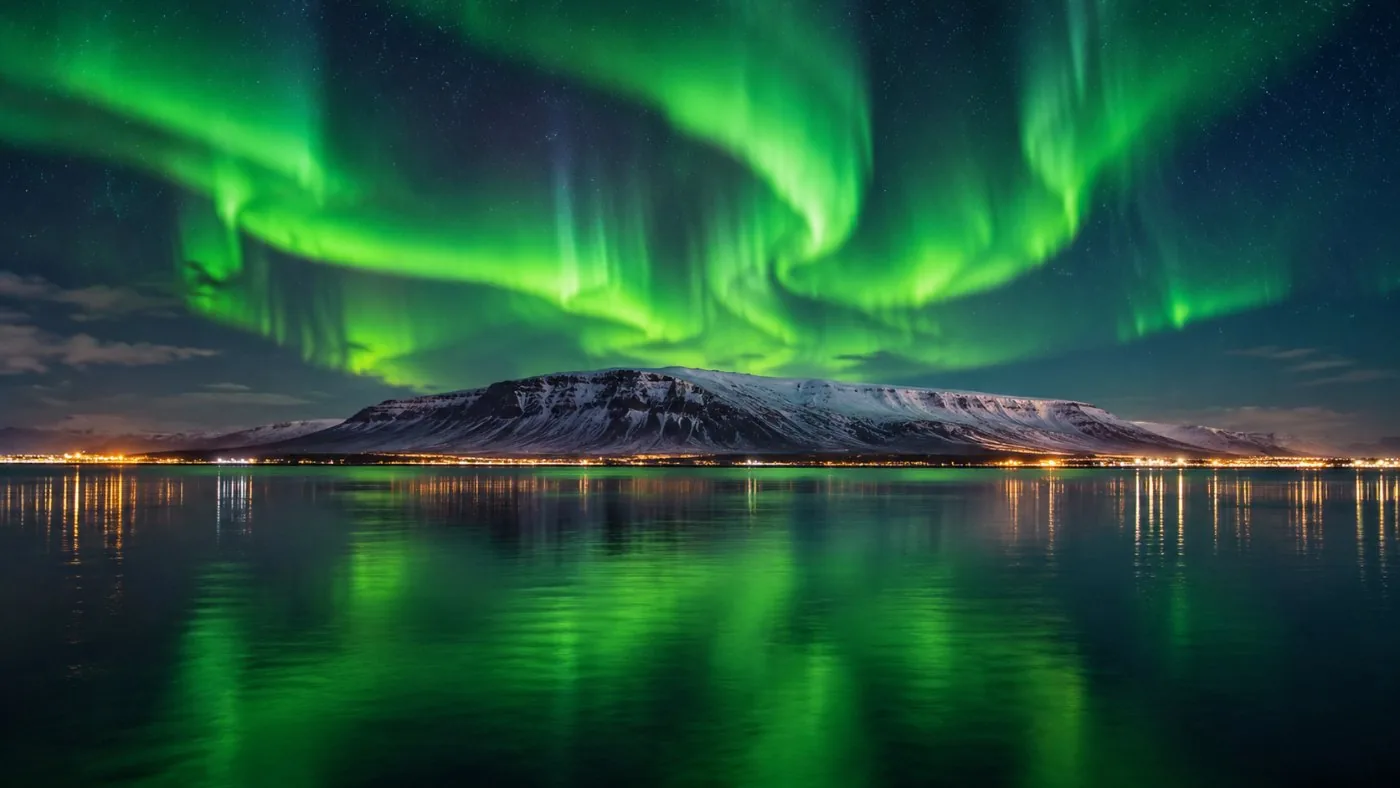
What is the best month to see the aurora in Iceland?
October to March. If you want one answer, pick February or March: long nights, equinox activity, and more daylight for sightseeing than in December. November is the cheapest of the dark months.
Here is the darkness you get in Reykjavík across the 2026-27 season. Sunset is when the sun goes below the horizon; the last column is when the sky is fully dark (astronomical twilight ends). Aurora can show earlier, in the deep blue after sunset, but faint displays need full dark. Times are for Reykjavík, which keeps UTC all year; check exact days on timeanddate.com.
| Date | Sunset | Fully dark from | What it's like |
|---|---|---|---|
| 21 September 2026 | 19:32 | 22:26 | Short nights, no snow, often cloudy |
| 15 October 2026 | 18:07 | 20:47 | Dark by 21:00, autumn colours |
| 15 November 2026 | 16:27 | 19:24 | Long nights, cheaper flights |
| 21 December 2026 | 15:29 | 18:57 | About 4 hours of daylight, holiday prices |
| 15 January 2027 | 16:19 | 19:29 | Long nights, cheapest flights, coldest |
| 15 February 2027 | 18:01 | 20:43 | Long nights, more daylight for touring |
| 20 March 2027 | 19:42 | 22:36 | Equinox, often the most active month |
| 15 April 2027 | 21:00 | Never fully dark | Season ending; tours stop mid-April |
Visit Reykjavík names November to March as the peak. Our pick for a first trip is February or early March: enough daylight to see the Golden Circle by day, nights long enough for two hunts, and the run-up to the March equinox. More on the darkest weeks in the 2026-27 darkness calendar.
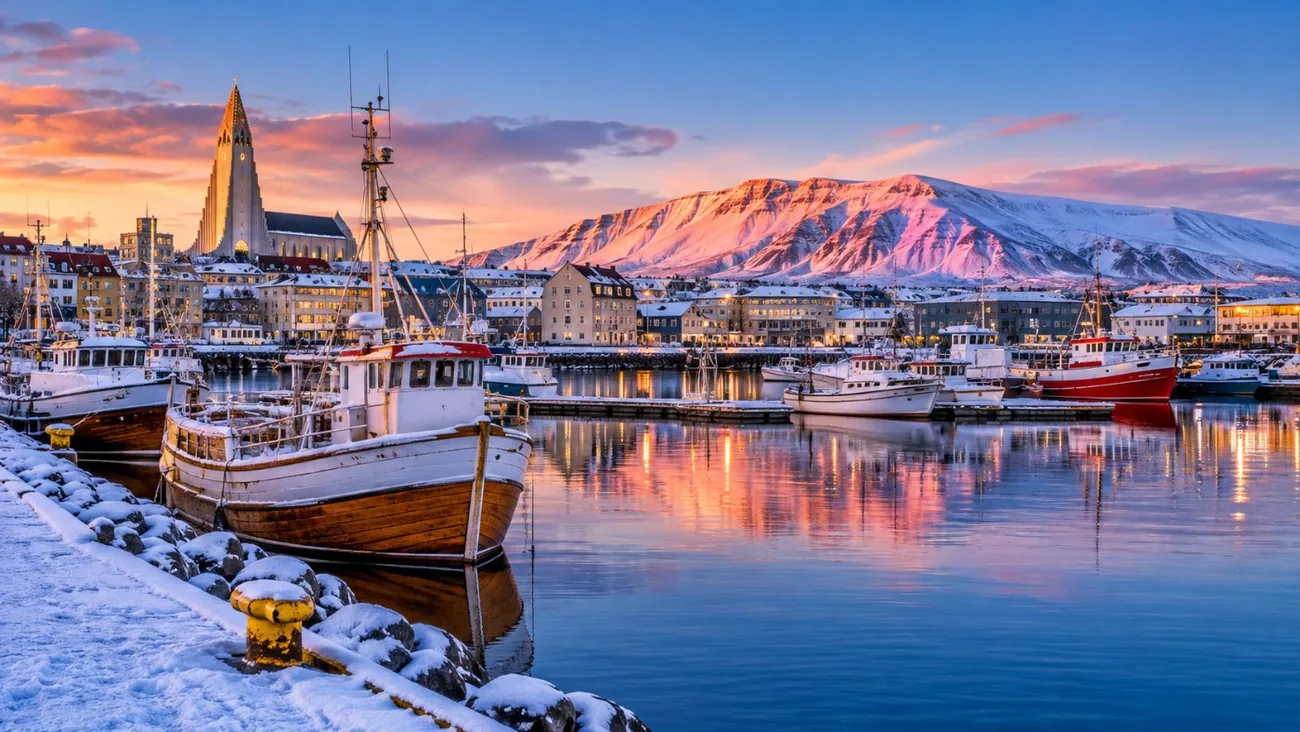
When does the northern lights season in Iceland start and end?
Late August to mid-April. From May to mid-August the sky never gets dark enough, and you cannot see the aurora at all.
Gray Line runs its aurora tour from 25 August to 15 April, and Visit Reykjavík gives late August to early April for the season and late September to early April for properly dark evenings. Not every tour runs the full stretch: the Special Tours boat sails September to March only.
At the very ends of the season the dark window is short, two or three hours around midnight, and tours start late. Gray Line moves its departure to 22:00 from late August to the end of September and again from mid-March. Summer travellers sometimes book anyway on a hint of a forecast: don't. In June the sun barely sets.
Are the equinox months really better for the northern lights?
On average, yes: geomagnetic storms are nearly twice as common around the March and September equinoxes. In the southwest, September and October are also the cloudiest months, which cancels some of the gain.
The idea is called the Russell-McPherron effect, after two geophysicists who described it in 1973. Around the equinoxes, the tilt of Earth's magnetic field lines up better with the field carried by the solar wind, and more energy gets in. FOX Weather sums up the research: disturbances happen "nearly twice as often in spring and fall as in winter and summer", and March has more active days than any other month in a 75-year record. NOAA's own viewing tips mention it too.
The weather pulls the other way. A study of 89 years of Icelandic Met Office cloud records by Guide to Iceland found September and October the cloudiest months at every place it compared. March gets the activity and clearer skies than autumn, which is why it is our favourite.
What time of night are the northern lights strongest in Iceland?
Most often between 22:00 and 02:00. In the darkest months, displays can begin by 17:00 to 19:00 on clear evenings, and a strong storm can light up the sky at any dark hour.
NOAA's Space Weather Prediction Center says the best aurora is usually within an hour or two of midnight. Visit Reykjavík gives 22:00 to 02:00, and adds that in peak months the lights can show from about 16:00. Displays come in bursts: a quiet arch can explode into moving curtains for about ten minutes, then fade, then return.
Tours are timed around this. Gray Line runs 21:00 to midnight from October to mid-March. The super jeep picks up at 20:30 or 21:30 depending on the season. Most hunts last two and a half to five hours, so you are back in bed around 01:00. If you are out alone, give it until at least 01:00 before you call it a night.
Does the moon affect the northern lights?
It doesn't stop the aurora, but a full moon brightens the sky and hides faint displays. Strong ones still show. Plan around the full moons when you can.
NOAA notes that the full moon reduces the aurora's apparent brightness. The week around a new moon gives the darkest skies; a half moon that sets early is fine too. A bright moon has one upside: it lights the landscape for photos. Here are the dates for the 2026-27 season (UTC, which is Reykjavík time):
| Month | New moon (darkest) | Full moon (brightest) |
|---|---|---|
| November 2026 | 9 November | 24 November |
| December 2026 | 9 December | 24 December |
| January 2027 | 7 January | 22 January |
| February 2027 | 6 February | 20 February |
| March 2027 | 8 March | 22 March |
You can check the moonrise for any night on the Icelandic Met Office aurora page, which lists sunset, darkness and moonrise for Reykjavík, or on timeanddate.com. Cloud still matters more than the moon: a clear full-moon night beats a cloudy new-moon one every time.
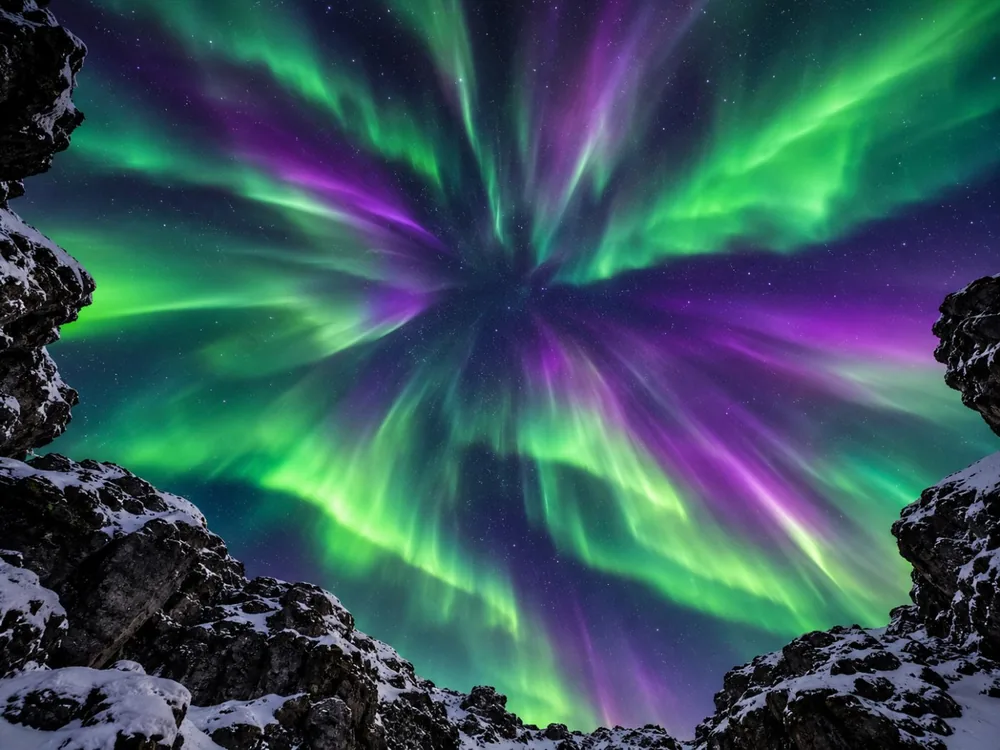
Is 2026 a good year to see the aurora in Iceland?
Yes. Solar Cycle 25 most likely peaked in October 2024, and 2026 is in the declining phase, which has brought some of the biggest storms in past cycles. A severe G4 storm hit on 19 to 20 January 2026.
The solar cycle lasts about 11 years. Space.com reports the 13-month smoothed sunspot number put the maximum of the current cycle at around October 2024. That doesn't mean the show is over. Cycle 23 produced its great G5 storm in October 2003, about two years after its peak; Cycle 24 fired its largest flares in September 2017, more than three years after.
2025 brought 19 X-class flares by early December and a G4 storm on 11 November. 2026 opened with another: BBC Sky at Night reported a severe G4 storm that peaked on 20 January after an X-class flare on 18 January. For Iceland, the more useful point is that you don't need a storm. The aurora oval sits over the country on ordinary nights. The 2026-27 outlook has the latest.
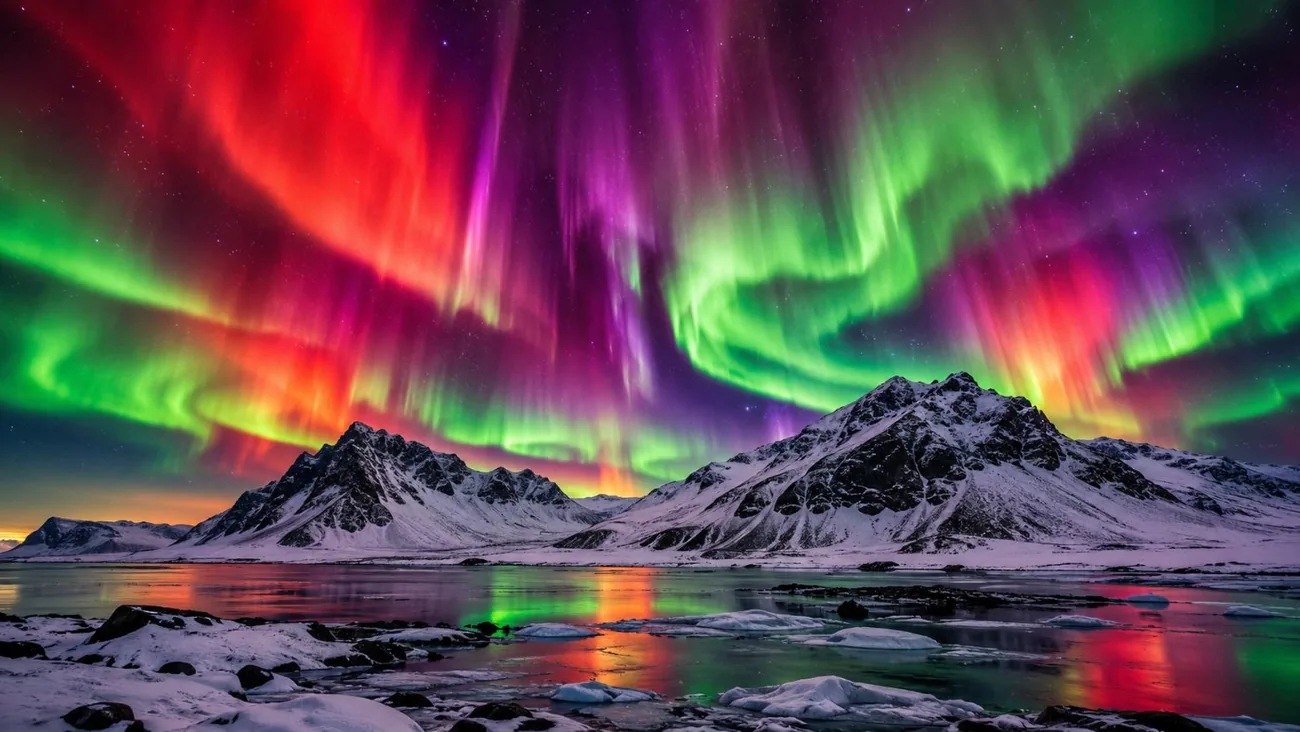
What is the cheapest month to visit Iceland for the northern lights?
April, January and November, in that order, according to Guide to Iceland's 2026 booking data. December is the most expensive month between October and May. Tour prices hardly change.
Guide to Iceland priced a seven-day mid-range trip and found April, January and November within about $42 of each other. January has the cheapest flights; April has the lowest hotel and car prices but only about two weeks of aurora season left. December costs more than any other month from October to May because of Christmas and New Year.
The aurora tours themselves are priced the same all season: from $80 for a coach to $205 for a super jeep. For value and dark nights together, aim for mid-January to mid-February or the first half of November.
The cheapest seat out of town, in any month: a coach with a guide and two years of free rebooking.
Check dates for the Gray Line coach tourHow many nights do you need in Reykjavík to see the northern lights?
At least four or five, Visit Reykjavík says. Book your tour for the first or second night, so a cancellation or a cloudy hunt still leaves time for the free retry.
No month guarantees a clear night, and the southwest is cloudy on most winter days. The more nights you have, the more chances to catch a gap. With three nights, you might get one clear sky; with five, the odds are much better. That is why the retry rules matter: most tours let you come back free within two or three years, but only if you are still in Iceland.
Use the first evening to book, the afternoons to check the cloud map, and keep two late nights free. The guarantee guide compares every tour's retry terms.
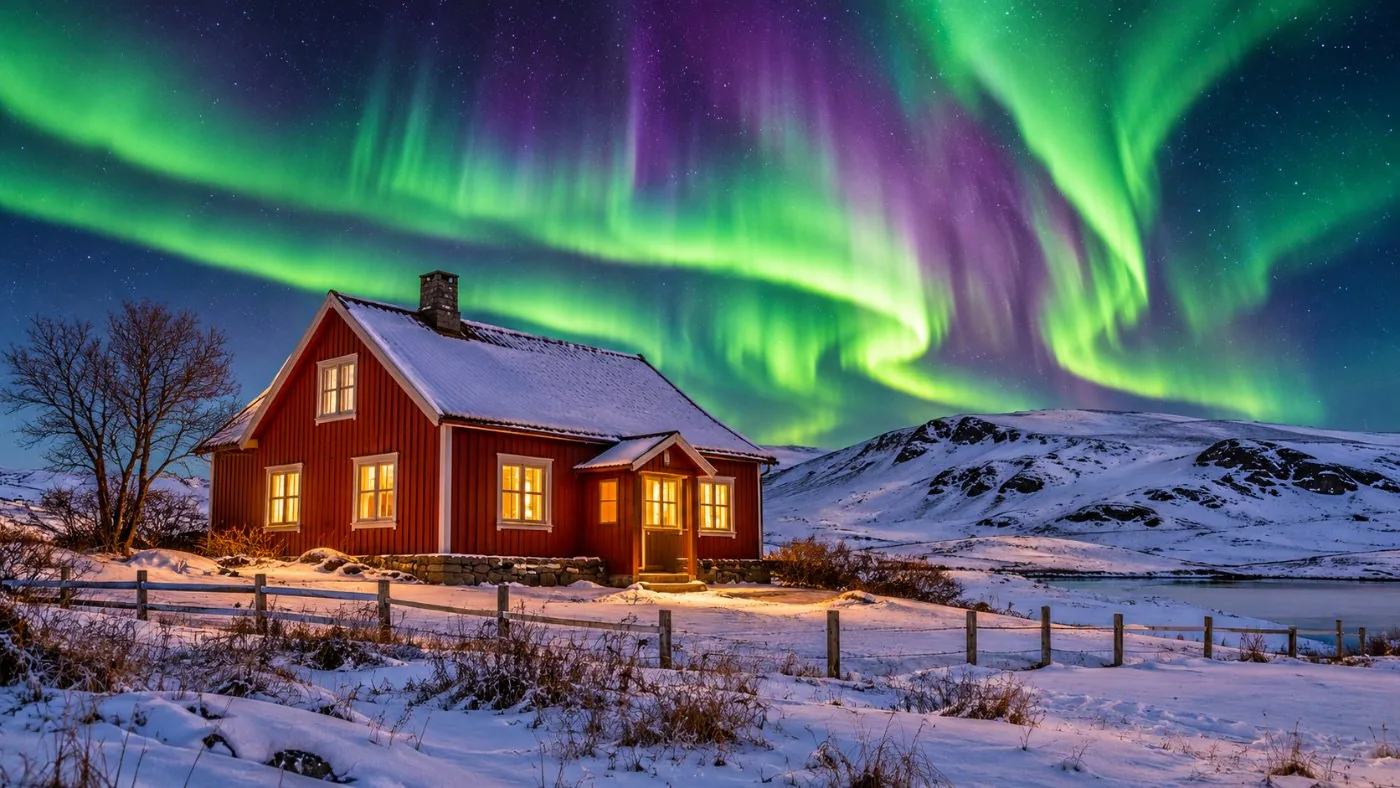
Book an early night and keep the free retry for later: valid two years on the 4x4 tour.
Check dates for the 4x4 aurora tourFrequently asked questions
Can you see the northern lights in Iceland in summer?
No. From May to mid-August the sky never gets dark enough. The season starts in late August and ends in mid-April.
Is December a good month for the northern lights in Iceland?
Yes for darkness: around 21 December the sun is up for only about 4 hours in Reykjavík. It is also the dearest month of the winter and the weather is often stormy. If you travel over Christmas or New Year, check that your tour runs on 24 and 31 December.
What is the best week for the northern lights in 2026-27?
A week around a new moon in a dark month: around 9 November, 9 December, 7 January, 6 February or 8 March. The weather will decide the rest.
Is 2027 still a good year for the aurora?
Yes. Strong storms keep coming in the years after a solar maximum, and in Iceland ordinary activity is enough for a good display on a clear night.
Ready to book
Choose your tour
Free cancellation up to 24 hours before on every option. Prices are from-prices in USD and move with the season.

Northern Lights 4x4 Tour with Hot Cocoa
- Pickup and drop-off in Reykjavík (28 pickup points)
- Specially modified 4x4 minibus, Wi-Fi on board
- Hot chocolate, Icelandic pastries and 2 hand warmers
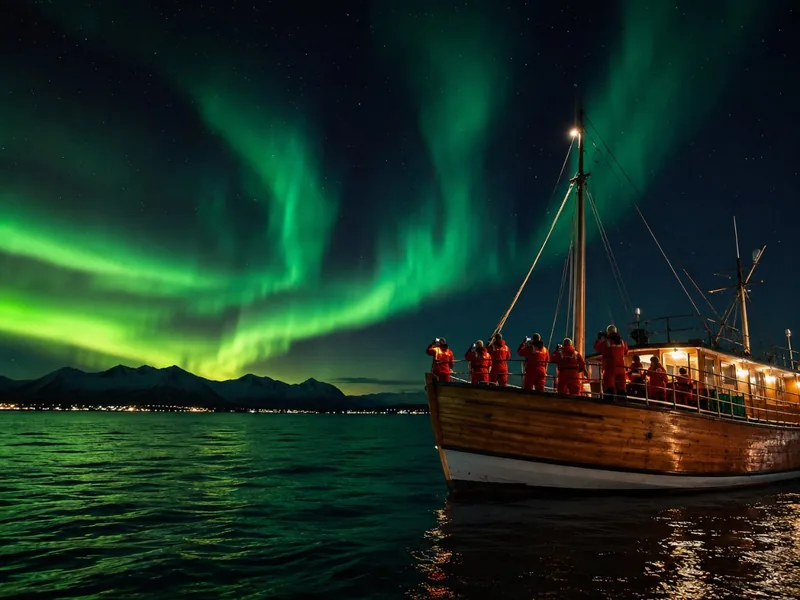
Northern Lights Boat Tour with Second Chance
Warm overalls on deck and a free sailing ticket with no expiry
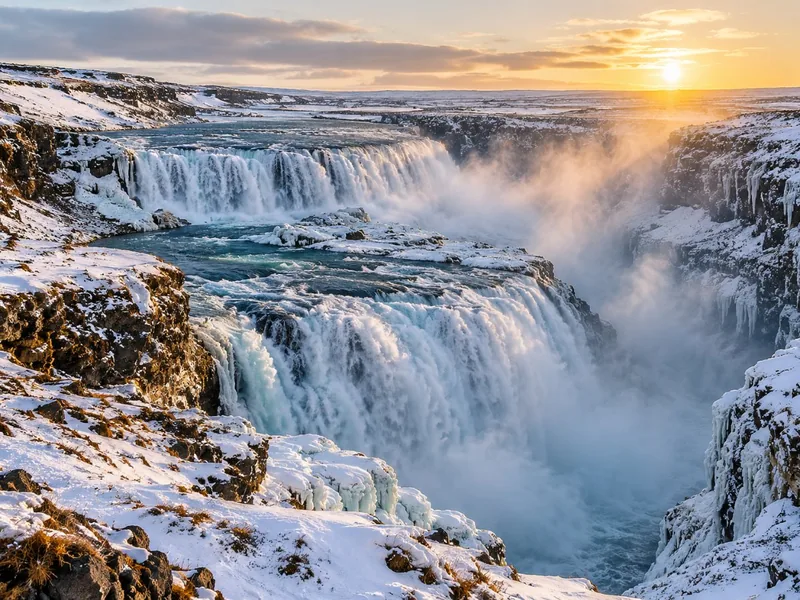
Golden Circle, Blue Lagoon & Northern Lights
One long day: waterfalls, the lagoon, then the aurora hunt